Creative Fatigue Detection in Paid Social Campaigns
Detect creative decay early by watching engagement signals before ROAS crumbles.

Creative fatigue detection in paid social campaigns is about spotting decay before it reaches ROAS. Fatigue is a measurable process. Teams that read changes in attention, engagement and auction costs together can diagnose the cause and refresh the right creative element while performance is still worth protecting.
Why creative fatigue in paid social is a decay curve, not a cliff
A team can be celebrating last month’s ROAS while the creative responsible for it is already burning out. Audience overexposure erodes attention before it shows up in conversion results. Engagement declines first, delivery costs rise second, and conversion metrics deteriorate last. By the time a weekly review catches rising CPAs, the campaign may already have spent heavily on degraded creative. Waiting for production then extends the damage and costs auction momentum.
Platform automation can compress that sequence. Meta’s Advantage+ concentrates spend on high-performing creatives faster than manually managed campaigns, exposing the highest-converting segments more quickly, although broad targeting can partly offset this by expanding the reachable pool. What once lasted six to eight weeks can now collapse in two to three, and faster in high-spend accounts with tight retargeting audiences. That shorter window makes detection an operating requirement. The workflow therefore needs to establish what to watch, when to act, and how to distinguish fatigue from problems that resemble it.
How creative fatigue differs from audience saturation and budget misconfiguration
The right intervention depends on what is exhausted. In creative fatigue, people recognize and ignore a particular visual, hook or format, so the remedy is a creative refresh. In audience saturation, the reachable pool is exhausted, so even fresh ads struggle and targeting needs to expand. Budget misconfiguration creates a different constraint by concentrating spend enough to cause artificial frequency spikes or starving new creative of the impressions needed to exit learning. Its remedy is structural.
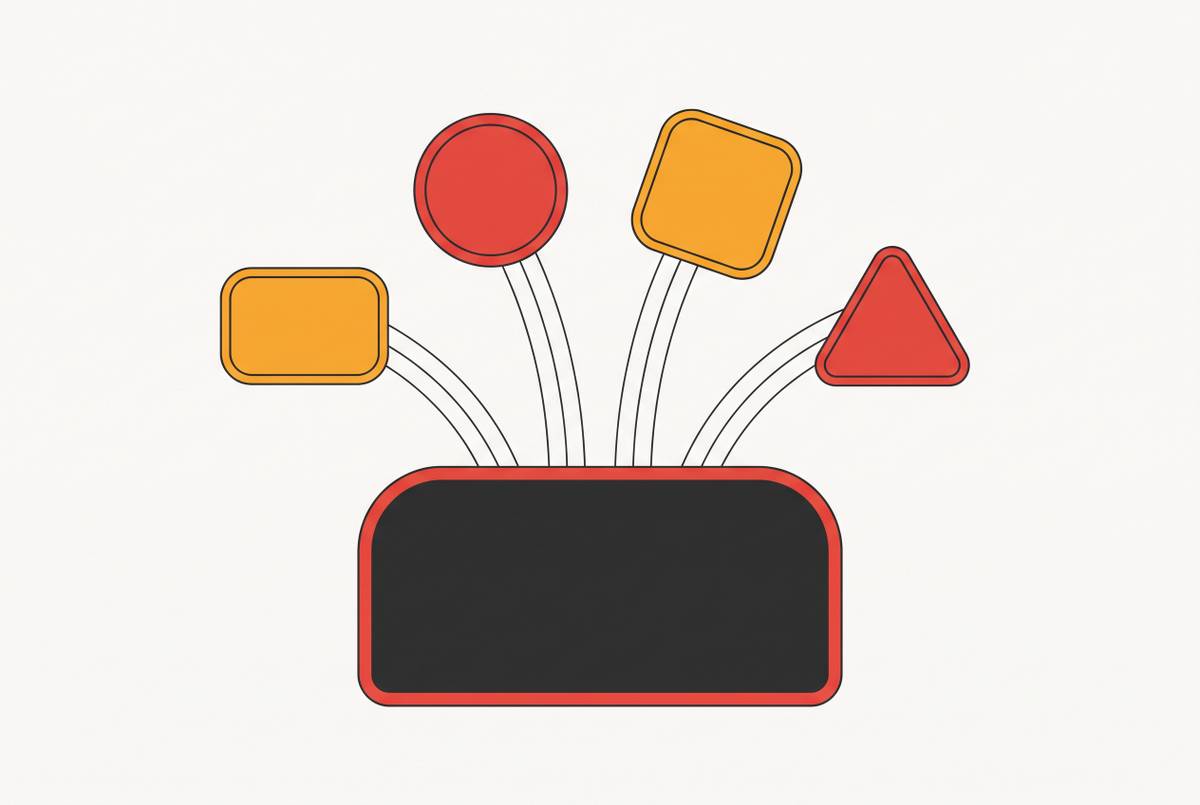
Use Meta Ads Manager to examine frequency, CTR trend, thumbstop rate and CPM trend together. Rising frequency and falling CTR, with no other account changes, point toward creative fatigue. New creatives that also underperform immediately point more strongly toward audience saturation. If several campaigns with similar audiences and creative themes decline together, more than one asset is at fault. That audience-level pattern calls for a broader creative strategy shift.
The signal hierarchy: which metrics move first and how far ahead they lead
Attention provides the earliest warning. Thumbstop rate falls before CTR because viewers recognize the opening and scroll past it. Hook rate, the ratio of 3-second video views to total impressions, captures a related loss of initial attention. If thumbstop falls while hold rate and CTR remain stable, the opening is the likely fault. Comment sentiment can also show that people recognize an ad and dismiss it before the overall engagement metrics change.
Next, watch engagement velocity and scroll speed. Likes, comments, shares and saves can fall relative to impression growth within a few days before a measurable top-line decline, so hourly or daily checks can catch the drop sooner than weekly checks. CTR velocity matters because the direction and pace of click-through change reveal more than a static rate. A video that retains healthy CTR but loses a meaningful share of average view duration provides another predictive signal a few days ahead of click-through deterioration.
Auction signals follow that weakening response. CPM creep when reach stays flat and the outside market has not changed suggests the creative is less able to compete, even if CTR stays stable. Widening conversion lag then indicates that exposure is taking longer to produce action. Frequency alone is a lagging indicator. The sequence and convergence of signals provide stronger evidence of creative decay than any threshold in isolation.
How frequency capping and manual review fit into a monitoring workflow — and where they stop working
Frequency capping is useful exposure control, particularly for small retargeting segments. It caps how often a person sees an ad in a set time, which slows oversaturation and helps spend go further. However, a cap on one platform does not govern exposure on another. Nor does it restore an opening that people have learned to ignore.
Manual review also has a valid operating range. With fewer than roughly 20–30 active creatives, an analyst can examine multiple signals daily and still have time to respond. Sorting the ad view by frequency and CTR over the past one to two weeks provides a useful starting point for distinguishing sustained decay from fluctuation. Beyond that range, the burden grows sharply. People cannot reliably track six or seven signals across hundreds of assets, weigh them against past results and act in time through manual review alone.
How machine learning models detect fatigue before human reviewers can
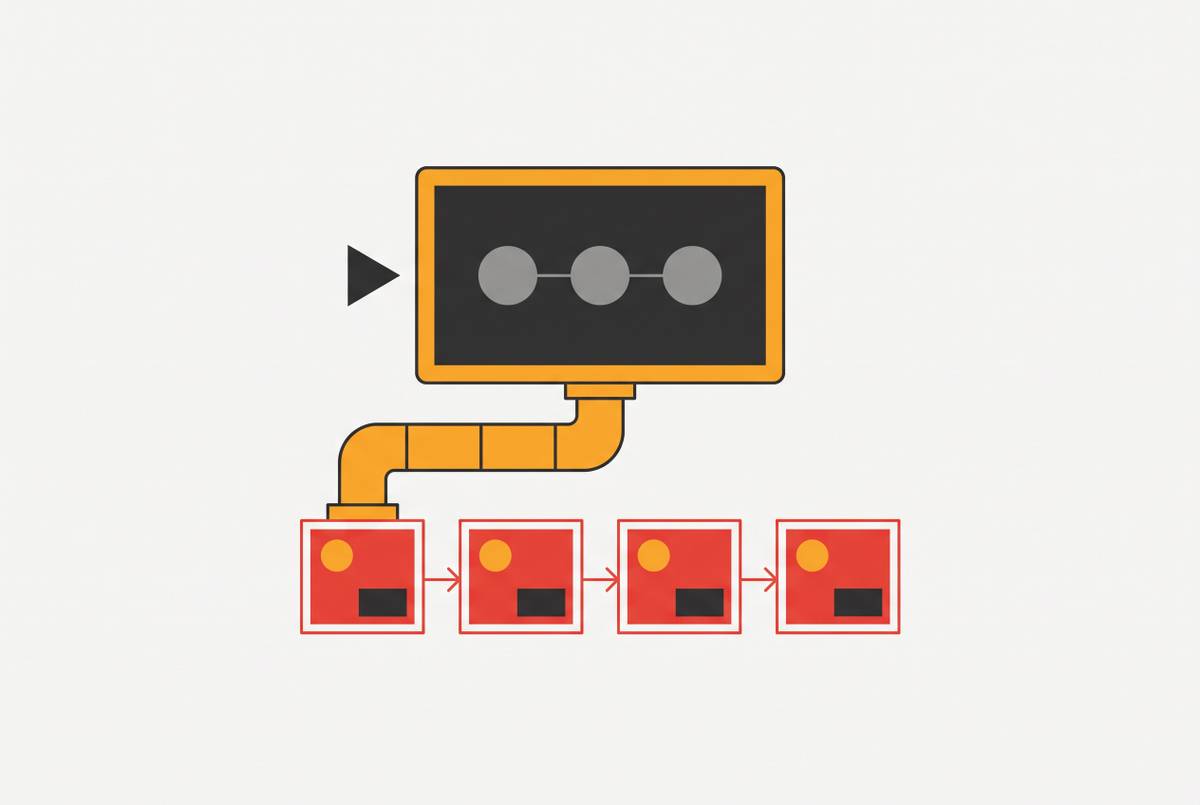
A well-structured fatigue model begins with each creative’s own history. It uses the first several days of delivery to establish a baseline while accounting for the learning phase and the novelty effect that can inflate initial results. Statistical methods, including z-score analysis and time-series anomaly detection, then identify negative departures from that baseline. The model requires correlated deterioration across two or more signals before flagging fatigue. This separates a developing pattern from an isolated dip.
Audience weighting adds necessary context because broad prospecting audiences generally fatigue more slowly than tight retargeting segments. Frequency velocity captures how quickly exposure accumulates. Auction competitiveness analysis adds the spend required to maintain impression volume, with external market changes considered before interpreting cost increases as fatigue. Advanced models use past decay curves to predict when an asset that is healthy now will reach fatigue thresholds. Their lead-time advantage comes primarily from checking hourly and correlating signals continuously.
The false-positive problem: when automated fatigue scores misfire and what to do about it
A fatigue score should direct attention. A one-day CPM spike, a seasonal change in demand or a competitor joining the auction can look like creative decay even when the ad needs no refresh. Correlated decline across multiple signals reduces these false positives, but does not eliminate them. A person still needs to confirm the cause before a decision puts production budget or campaign stability at risk.
That distinction also governs the scale of the response. Pausing too many assets at once can force the algorithm to reset and destabilize the campaign, so staged replacement of one or two fatigued assets is safer. Smaller accounts using manual monitoring can apply a stricter practical gate by waiting for three or more signals to support refresh. Those signals include frequency trend, CTR trend, thumbstop rate, CPM trend and conversion rate. The purpose is not to wait for ROAS to fall, but to distinguish sustained decay from temporary volatility.
Element-level refresh: which parts of a creative fatigue first and how to replace them without resetting the learning phase
Creative components do not wear out at the same pace. The hook usually fatigues fastest, often within the first one to two weeks and sometimes within days on TikTok or high-spend campaigns. Breaking an asset into hook, body and CTA makes the response more precise. When thumbstop declines but hold rate and CTR remain stable, replace the hook and retain the content that still works. A new opening on a proven body can reset audience perception without unnecessarily disrupting campaign learning.
This modular approach protects production budget as well as campaign continuity. A hook replacement is faster and cheaper than a full rebuild, making creative momentum more important than creative volume. User-generated content can extend shelf life in lower-spend settings because it reads as native to the feed, but it can still fatigue within weeks at meaningful spend. Rotating UGC hooks onto proven body content is therefore a practical option. In Advantage+ campaigns, prioritize assets labeled Low for replacement, while declining but not exhausted assets can remain active with reduced budget allocation.
Building a testing cadence that keeps fresh creative ahead of fatigue signals
Detection works best when a replacement is already in testing. For active campaigns running at meaningful budgets, several new variants per week provide a practical starting cadence. For smaller budgets, one new test per fortnight is a more sustainable pace. Predictive fatigue scores can bring the brief forward while a creative is still healthy. Synthetic audience testing can also help screen concepts for likely performance and durability before live media spend begins.
Document the message angles, formats and hook structures that consistently win so the next cycle begins with evidence. Reserve Meta’s built-in A/B test tool for high-stakes questions, such as a new concept against a proven control. For most testing before scaling, manual splits can establish a winner against the current control, followed by scaling the winner, retiring the loser and recording the learning. This turns creative into a data system with a continuous testing loop, rather than a production function summoned when performance falls.
How brand context infrastructure prevents a separate but related problem: AI-generated refreshes that fix fatigue and break brand consistency
Faster refresh cycles can go wrong in another way when generative tools lack structured brand context. An ad can be fresh enough to restore attention while drifting from the brand’s visual codes or voice. Incomplete context from ad-hoc prompts can cause this drift even when the generation itself works well. Pasting guidelines into every prompt becomes too much work when campaigns, channels and assets run at the same time.
A machine-readable brand kit gives generation tools reusable context, including logos, palette, typography, voice, photo style and do/don’ts. When supplied through API or MCP, which stands for Model Context Protocol, that context lets agents look up actual brand data before they create an asset. They can draw on style guides, past campaigns and approved libraries.
Rainbrand ingests existing brand material, including guidelines, files, websites, Figma, social media and codebases, and turns it into a structured Brand Skill. Connected agents and creative tools can access that information through API or MCP, giving them the same canonical brand context. Rainbrand supports multiple brands in one workspace, so agencies and multi-brand operators can run refresh cycles for several brands at once. Each brand’s context can stay separate and up to date without someone having to brief the tools each time.
A practical monitoring checklist: what to review, at what cadence, and what action each signal triggers
Daily checks, or continuous automated checks, should start with thumbstop rate and hook rate against the creative’s own baseline. A meaningful drop opens a hook-level investigation. Review engagement velocity against impression growth to identify weakening response while delivery remains stable or rises. Examine CPM at the same time. A cost-per-impression increase of 15–25% without an external market event signals declining auction competitiveness and warrants investigation with the other indicators.
The weekly review should examine CTR across one to two weeks for consecutive declines with stable impression volume. Check whether conversion lag is widening and whether rising frequency coincides with falling CTR without account changes. In Advantage+, review Low-labeled assets first and watch Good-rated assets whose CTR is declining. This review supplies the longer trend context for daily alerts.
Trigger-based action begins when two or more signals decline together and the diagnosis rules out audience saturation or budget misconfiguration. Isolated hook deterioration calls for a hook replacement, while broad decline calls for staged retirement of one or two Low assets with new variants introduced beside working creative. Immediate underperformance from fresh ads redirects the response toward expanded targeting. When AI generates replacements, structured access to current brand guidelines belongs in the same workflow. Built into the operating rhythm, these checks let teams manage decay ahead of top-line damage and respond before ROAS falls.